
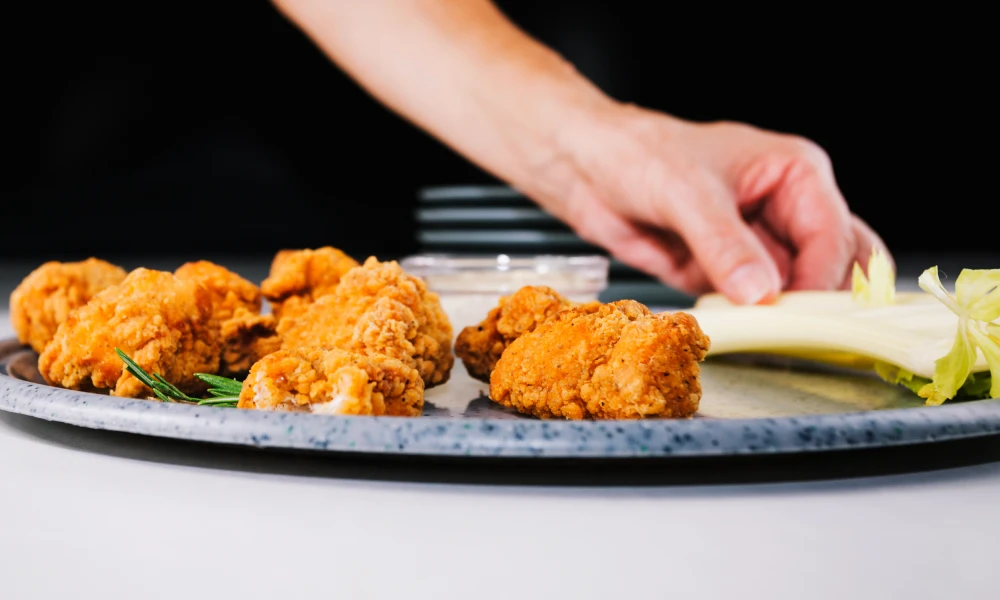
Good chicken wings should deliver two things at once: a genuinely crispy exterior and a juicy, tender bite underneath. Getting both right at the same time trips up a lot of home cooks, usually because of one or two small technique mistakes that are easy to fix once you know what to look for.
This guide breaks down exactly how to get consistently great wings, whether you’re using the oven, air fryer, or BBQ.
Why Wings Often Turn Out Soggy or Dry
Before diving into technique, it helps to understand the common culprits:
- Too much moisture on the skin before cooking, preventing proper crisping.
- Cooking at too low a temperature, resulting in soft, rubbery skin.
- Overcrowding the tray or basket, trapping steam instead of allowing hot air to circulate.
- Skipping a resting or drying step, particularly important for oven-baked wings.
Step 1: Dry the Wings Thoroughly
Pat wings completely dry with paper towel, then, if time allows, leave them uncovered in the fridge for an hour or more (or overnight) to air-dry further. This step alone makes a significant difference to how crispy the skin becomes.
Step 2: Season or Marinate
Toss wings in a light coating of oil and your chosen seasoning or dry rub. If marinating, avoid overly wet marinades right before cooking, as excess liquid works against crisping, save wet sauces for tossing the wings after they’re cooked.
Step 3: Choose Your Cooking Method
Oven-Baked Wings
- Preheat the oven to 220°C.
- Place wings on a wire rack over a baking tray, allowing hot air to circulate on all sides.
- Bake for 40–45 minutes, flipping halfway through, until the skin is golden and crisp.
Air Fryer Wings
- Preheat the air fryer to 200°C.
- Arrange wings in a single layer, avoiding overcrowding.
- Cook for 20–25 minutes, shaking the basket halfway through for even crisping.
BBQ Wings
- Cook over indirect heat first to cook the wings through without burning the skin.
- Move to direct heat for the final few minutes to crisp the exterior and add char.
- Baste with sauce only in the final few minutes to avoid burning sugar-based glazes.
Checking for Doneness
Regardless of method, chicken wings should reach an internal temperature of at least 74°C, in line with Australian food safety guidance, to ensure they’re fully cooked and safe to eat.
The Secret to Extra-Crispy Skin: The Baking Powder Trick
Tossing wings in a small amount of baking powder (not baking soda) along with your seasoning before cooking can help draw out moisture and create an even crispier finish, particularly for oven-baked wings. Use roughly one tablespoon of baking powder per kilogram of wings, mixed evenly with your seasoning.
Sauce and Flavour Ideas
- Classic buffalo, tossed in hot sauce and butter immediately after cooking.
- Honey soy garlic, brushed on in the final few minutes of cooking to avoid burning.
- Dry rub options, like smoked paprika and garlic, for a crisp finish without added sauce.
- Simple salt and pepper, letting the quality of the chicken speak for itself.
Why Free-Range Chicken Makes a Real Difference
Free-range chicken generally comes from birds raised with more space to roam, which many customers notice in firmer texture and better flavour compared to standard, intensively farmed poultry. Our chicken is sourced from Western Australian farms committed to free-range, ethical farming practices.
For more easy weeknight ideas using chicken, check out our 10 Easy Dinner Recipes Using Free Range Chicken Pieces, or browse our full Chicken range.
Final Thoughts
Genuinely crispy, juicy chicken wings come down to a few consistent habits: drying the skin thoroughly, cooking at the right temperature, and avoiding overcrowding. Master these basics, and you’ll get reliably great wings every time, whichever cooking method you prefer.
Shop our Free-Range Chicken range today and get wing night right every time.