
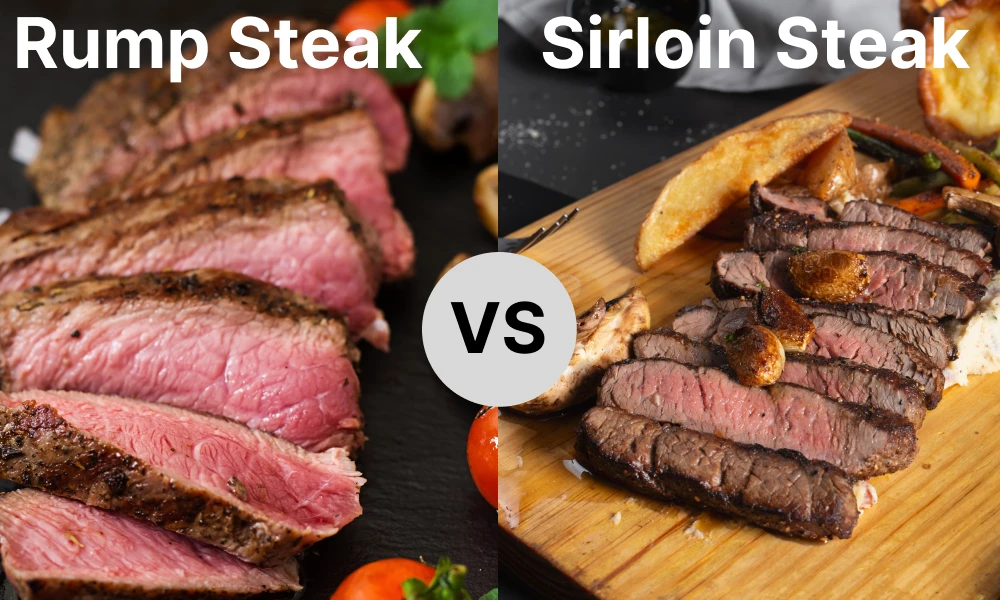
When it comes to firing up the BBQ, two cuts consistently top the list for everyday grilling: rump and sirloin. Both are popular, both are versatile, but they offer genuinely different eating experiences. If you’re trying to decide which one deserves a spot on your grill this weekend, here’s exactly how they compare.
Where Do Rump and Sirloin Come From?
- Rump comes from the rear of the animal, near the back leg, and is a well-worked muscle that delivers strong, beefy flavour with a slightly firmer texture.
- Sirloin comes from just in front of the rump, closer to the ribs, and is generally more tender due to being a less worked muscle.
Comparing Rump and Sirloin
| Factor | Rump Steak | Sirloin Steak |
| Tenderness | Firmer, chewier bite | Generally more tender |
| Flavour | Strong, beefy | Rich, slightly milder |
| Fat marbling | Leaner overall | Slightly more marbling |
| Price | Typically more affordable | Often priced higher |
| Best cooking method | High heat, quick grilling | High heat, quick grilling |
Which Cut Is More Tender?
Sirloin generally wins on tenderness, thanks to being a less-worked muscle with slightly more intramuscular fat. Rump, while still a quality grilling cut, has a firmer bite and benefits more from correct slicing and resting technique to maximise tenderness.
Which Cut Has More Flavour?
This is where rump often takes the lead. Its leaner, more worked muscle structure tends to deliver a more concentrated, distinctly “beefy” flavour, which many steak lovers actually prefer over the milder richness of sirloin.
How to Cook Rump Steak for Best Results
- Marinate or rest at room temperature for 20–30 minutes before cooking to help with tenderness.
- Cook hot and fast, 2–3 minutes per side for a medium-rare result on a standard 2–3cm steak.
- Rest for 5 minutes before slicing.
- Always slice against the grain, which is especially important for rump given its firmer texture.
How to Cook Sirloin Steak for Best Results
- Bring to room temperature before cooking, as with any steak.
- Sear on high heat, 2–3 minutes per side, aiming for a good crust given its natural marbling.
- Rest for 5 minutes to allow juices to redistribute.
- Season simply, since sirloin’s natural richness doesn’t need heavy seasoning to shine.
Price and Value Considerations
Rump is typically the more budget-friendly option of the two, making it a smart everyday choice for regular grilling without sacrificing genuine beef flavour. Sirloin, while often priced higher, delivers a more consistently tender bite, which some cooks feel is worth the premium for special occasions.
Which Should You Choose for Your Next BBQ?
Choose Rump If:
- You want strong, classic beef flavour at a more accessible price point.
- You’re grilling regularly and want a cut that suits frequent use.
Choose Sirloin If:
- Tenderness is your top priority.
- You’re cooking for a slightly more special occasion or want a guaranteed melt-in-the-mouth result.
Why Grass-Fed Beef Elevates Both Cuts
Whichever cut you choose, grass-fed and finished beef tends to carry a cleaner, more distinct flavour compared to grain-fed alternatives, particularly noticeable in leaner cuts like rump. Our beef comes from Western Australian farms committed to pasture-raised, hormone-free, and antibiotic-free practices.
Final Thoughts
Rump and sirloin both earn their place on the grill, offering a genuine trade-off between bold flavour and guaranteed tenderness. The right choice ultimately comes down to what you value most on the plate, and with quality grass-fed beef, you can’t really go wrong either way.
Shop our Grass-Fed Beef range today and find the perfect steak for your next BBQ.