
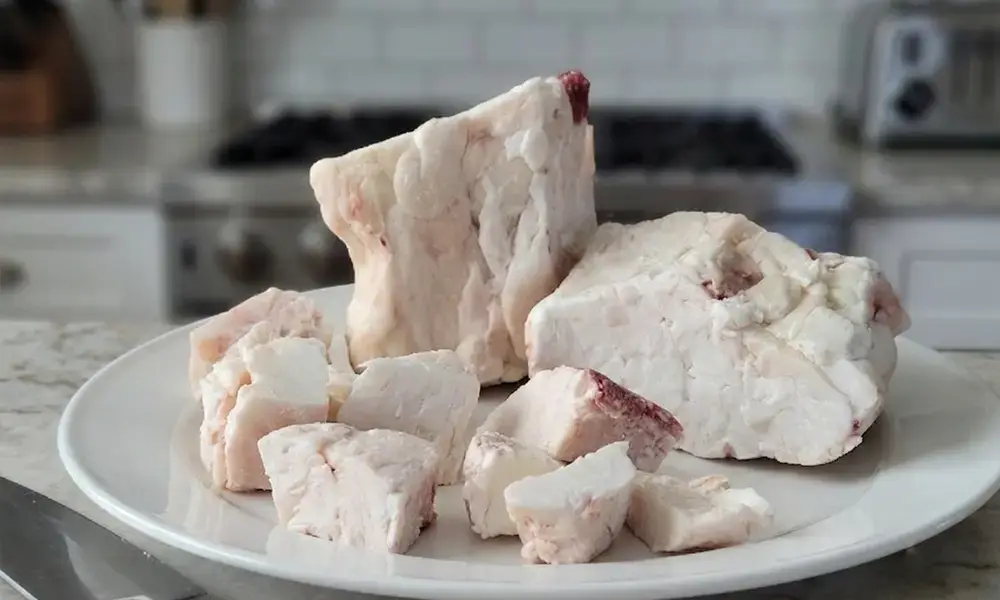
Beef suet might not be as well-known as other cuts, but it’s quietly one of the most versatile ingredients a home cook can keep on hand. From traditional puddings to modern high-heat cooking, beef suet has earned its place back in Australian kitchens.
Here’s everything you need to know, using our Grass-Fed Beef Suet as your starting point.
What Exactly Is Beef Suet?
Suet is the hard, raw fat found around the kidneys and loins of cattle. It’s distinct from other beef fats because of its high melting point and firm, crumbly texture, which makes it particularly useful for baking and high-temperature cooking.
Once rendered, suet becomes tallow, a shelf-stable cooking fat that’s been used for generations before the rise of processed seed oils.
Traditional and Modern Uses for Beef Suet
Classic British-Style Baking
Suet is the key ingredient in traditional dishes like steamed puddings, dumplings, and mincemeat, where its texture creates a light, fluffy result that’s difficult to replicate with other fats.
High-Heat Cooking and Frying
Because of its high smoke point, rendered suet (tallow) is well-suited to roasting potatoes, frying, and searing meat, offering a rich flavour that vegetable oils don’t provide.
Pastry and Pie Crusts
Suet-based pastry tends to be firmer and holds its shape well, making it popular for savoury pies and traditional dumplings.
Bird Feed and Homesteading Uses
Many households also use raw suet as a base for homemade bird feed blocks, particularly during colder months when birds need extra energy.
How to Render Beef Suet at Home
Rendering turns raw suet into a clean, usable cooking fat. Here’s a simple method:
- Chop the suet into small pieces to help it melt evenly.
- Heat slowly in a heavy-based pot over low heat, stirring occasionally.
- Strain the liquid fat through a fine sieve or cheesecloth to remove solid bits.
- Pour into a clean jar and allow it to cool and solidify.
Properly rendered tallow can be stored at room temperature for several weeks or refrigerated for several months, making it a practical, low-waste pantry staple.
Potential Benefits of Cooking with Beef Suet
While suet is a saturated fat and should be used as part of a balanced diet, it does offer some practical advantages over highly processed seed oils:
- High smoke point, reducing the formation of harmful compounds during high-heat cooking.
- Minimal processing compared to refined vegetable oils, especially when sourced from grass-fed cattle.
- Long shelf stability once rendered, unlike many oils that degrade faster once opened.
According to Healthline’s overview of dietary fats, whole-food fats like tallow are increasingly being reconsidered in modern diets as an alternative to heavily processed oils, though moderation remains important as part of an overall balanced eating pattern.
Simple Recipe Ideas Using Beef Suet
- Traditional suet dumplings added to slow-cooked stews for extra richness.
- Roast potatoes cooked in rendered tallow for a crisp, golden finish.
- Homemade mincemeat for festive baking, using raw suet as the traditional base.
- Pan-searing steaks in tallow for restaurant-style flavour at home.
If you’re building a full pantry of quality cooking fats and cuts, it’s worth browsing our Beef range for complementary products.
Why Source Suet from Grass-Fed Cattle
Not all suet is equal. Suet from grass-fed and finished cattle generally reflects the diet of the animal, and many home cooks report a cleaner flavour profile compared to suet from grain-fed sources. Our suet comes from Western Australian farms committed to pasture-raised, hormone-free, and antibiotic-free practices.
Final Thoughts
Beef suet is a traditional, versatile ingredient that deserves a place back in modern kitchens, whether you’re baking a classic pudding, rendering your own tallow, or simply looking for a natural alternative to processed cooking oils.
Order our Grass-Fed Beef Suet today and bring this traditional ingredient back into your kitchen.