
For people managing food sensitivities, especially histamine intolerance, choosing the right protein source can make a big difference. Certain foods—particularly aged or processed products—can trigger symptoms like headaches, skin flushing, digestive discomfort, or fatigue.
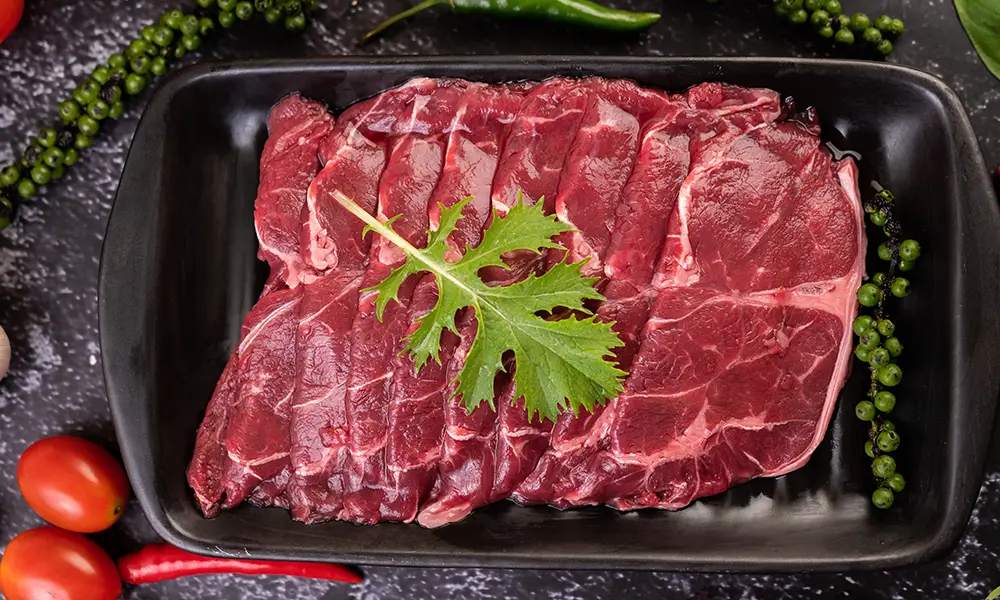
Fresh meat is often recommended for low histamine diets, which is why many people are now searching for low histamine beef. When sourced and handled properly, fresh grass-fed beef can be one of the safest and most nutritious protein options available.
In this guide, we explain what low histamine beef is, its potential benefits, and where you can buy high-quality grass-fed beef in Perth.
What Is Histamine in Food?
Histamine is a natural compound involved in immune responses, digestion, and the nervous system. While the body produces histamine naturally, it is also present in many foods.
According to the Australasian Society of Clinical Immunology and Allergy, histamine intolerance can occur when the body struggles to break down histamine efficiently. This may lead to symptoms after eating certain foods.
Foods that often contain higher levels of histamine include:
- Aged cheeses
- Fermented foods
- Processed meats
- Alcohol
- Smoked or cured products
Fresh, unprocessed meat generally contains very low levels of histamine, which is why it is commonly included in low histamine diets.
What Is Low Histamine Beef?
Low histamine beef refers to fresh beef that has minimal histamine accumulation due to proper handling, storage, and processing.
Histamine levels in meat can increase when:
- Meat is stored for long periods
- The product is aged or cured
- Temperature control during storage is poor
- Bacteria break down proteins over time
Fresh beef that is quickly chilled after processing and stored correctly tends to have significantly lower histamine levels compared with processed meats.
This is one reason many people prefer fresh grass-fed beef from local farms or specialist butchers, where the supply chain is shorter and the meat reaches customers faster.
Why Histamine Levels Increase in Meat
Histamine forms when bacteria convert amino acids in food during storage or processing.
Several factors contribute to this process.
Aging Methods
Some premium beef products are dry-aged to improve flavour and tenderness. However, aging may increase histamine levels over time.
Storage Duration
The longer meat remains refrigerated before consumption, the greater the potential for histamine formation.
Processing Techniques
Curing, smoking, or fermenting meat can significantly raise histamine levels.
Temperature Fluctuations
Inconsistent refrigeration allows bacteria to grow faster, increasing histamine production.
Because of these factors, many people with histamine sensitivity prioritise fresh meat from trusted producers.
Benefits of Choosing Low Histamine Beef
Low histamine beef is valued not only for its suitability in certain diets but also for its nutritional profile.
1. Supports Low Histamine Diets
Fresh beef is often included in dietary plans designed to reduce histamine exposure.
Compared with processed meats, fresh beef is far less likely to trigger symptoms in sensitive individuals.
2. Nutrient-Dense Protein Source
Beef is one of the most nutrient-rich whole foods available.
Data from Food Standards Australia New Zealand highlights that beef provides essential nutrients such as:
- High-quality protein
- Iron for healthy red blood cells
- Zinc for immune support
- Vitamin B12 for nerve function and energy
These nutrients are especially important for active individuals and growing families.
3. Fewer Additives and Preservatives
Processed meats often contain preservatives like nitrates and flavour enhancers.
Fresh beef typically avoids these additives, making it a cleaner choice for those aiming to reduce processed food intake.
4. Naturally Rich Flavour
Grass-fed beef is well known for its distinctive flavour profile.
Because cattle graze on natural pastures, the meat often develops deeper taste characteristics compared with grain-fed alternatives.
How to Choose Low Histamine Beef
Selecting the right supplier is key when trying to maintain a low histamine diet.
Here are a few practical tips.
Choose Fresh Cuts
Look for beef that has been recently processed and properly refrigerated. Fresh steaks, mince, and roasts are typically good options.
Avoid Processed Meats
Products like cured beef, smoked meats, and deli slices often contain higher histamine levels.
Stick with whole cuts whenever possible.
Freeze Meat if Not Using Immediately
Freezing slows bacterial activity and helps maintain freshness. If you buy meat in bulk, freezing portions soon after purchase can help keep histamine levels low.
Buy from Local Producers
Shorter supply chains often mean fresher meat and better quality control.
Buying from trusted Western Australian producers also supports local agriculture.
Where to Buy Low Histamine Beef in Perth
If you’re looking for fresh, ethically raised beef in Perth, sourcing from a local supplier makes a significant difference.
At Gingin Beef, we focus on delivering premium grass-fed and finished beef sourced from Western Australian farms. Our farming heritage spans more than 174 years in the WA agricultural community, and our approach prioritises quality, transparency, and sustainability.
Our beef is:
- 100% grass-fed and finished
- Free from added hormones
- Raised without routine antibiotics
- Ethically sourced from WA farms
Because we work closely with local farmers, our products move efficiently from farm to customer, helping maintain freshness and quality.
Customers across Perth can explore a wide range of options, including:
- Premium grass-fed beef cuts
- Family meat boxes
- Bulk packs for home cooking
We also offer convenient delivery across Perth, bringing high-quality meat straight to your door.
Tips for Cooking Low Histamine Beef
Preparation and storage habits can also influence histamine levels.
Cook Meat Soon After Purchase
Whenever possible, cook fresh meat within a short time frame.
Avoid Long Storage of Leftovers
Histamine can increase in cooked food stored for several days.
Keep Ingredients Simple
Fresh herbs, salt, and whole ingredients work well without introducing fermented sauces or additives.
These small changes can help maintain a lower histamine load in meals.
Final Thoughts
Low histamine beef can be an excellent protein choice for people aiming to reduce histamine exposure while still enjoying nutrient-rich meals.
By choosing fresh, grass-fed beef from trusted Western Australian suppliers, you can enjoy better flavour, strong nutritional value, and greater confidence in how your food is produced.
At Gingin Beef, we’re proud to provide Perth families with ethically raised, grass-fed beef sourced from local farms. Our focus on quality and freshness ensures you receive meat you can trust.
Browse our range of grass-fed beef or order online today to have farm-fresh meat delivered directly to your home anywhere in Perth.