
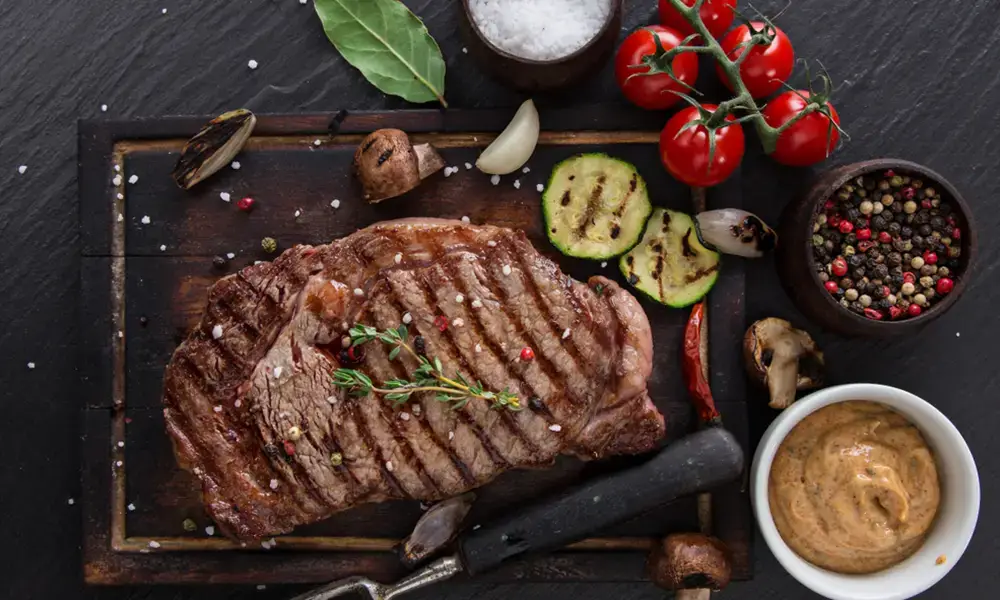
Buying a whole rump instead of pre-cut steaks is one of the easiest ways to save money and control exactly how your beef is cut. Learning how to portion and store a whole beef rump properly means less waste, better-sized cuts for your household, and meat that stays fresh for months in the freezer.
Why Buy a Whole Rump Instead of Pre-Cut Steaks?
- Better value per kilogram. Buying whole and portioning yourself is almost always cheaper than pre-cut steaks of the same quality.
- Total control over thickness. Cut your steaks exactly as thick or thin as you prefer, rather than relying on standard pre-pack sizing.
- Less waste. You decide how much goes to steaks, stir-fry strips, or mince, based on what your household actually eats.
- Freezer flexibility. Portioning into individual packs means you only thaw what you need for each meal.
What You’ll Need Before You Start
- A sharp boning or chef’s knife
- A large, stable cutting board
- Butcher paper, freezer bags, or vacuum-seal bags
- A permanent marker for labelling
- Clean kitchen towels and disinfectant for your workspace
How to Portion a Whole Beef Rump: Step-By-Step
Step 1: Let the Rump Come Slightly Out of the Cold
Take the rump out of the fridge about 10 to 15 minutes before cutting. Meat that’s too cold is harder to slice cleanly, while meat that’s too warm becomes harder to handle safely.
Step 2: Identify the Grain Direction
Look closely at the muscle fibres running through the rump. You’ll want to cut steaks against the grain, which results in shorter muscle fibres and a noticeably more tender bite once cooked.
Step 3: Trim Excess Fat and Silver Skin
Trim away any thick silver skin or excess surface fat, leaving a thin, even fat cap if you prefer extra flavour during cooking. This step also helps the meat take on marinades more evenly.
Step 4: Slice Into Steaks
Cut steaks roughly 2 to 3cm thick against the grain for a classic rump steak. If you prefer thinner cuts for stir-fries or sandwiches, slice to around 1cm instead.
Step 5: Set Aside Smaller Pieces for Mince or Stir-Fry
Any uneven trim pieces or smaller end cuts don’t need to go to waste. These work perfectly diced for stir-fries, casseroles, or run through a mincer at home for fresh mince.
Step 6: Portion by Meal, Not by Weight Alone
Think about how your household actually eats. Pack steaks individually if everyone eats at different times, or in pairs if you usually cook for two at once. This avoids unnecessary thawing later.
How to Store Beef Safely at Home
Refrigerator Storage
If you’re cooking within a few days, whole cuts of beef like steaks can be safely stored in the fridge for 3 to 5 days at or below 4°C, according to USDA food safety guidelines. Keep raw beef on the bottom shelf, away from ready-to-eat foods, to avoid any drip contamination.
Freezer Storage
For longer storage, the freezer is your best option. Properly wrapped beef steaks and roasts can be frozen for 6 to 12 months without a significant drop in quality, and remain safe to eat indefinitely as long as the freezer stays at 0°F (-18°C) or below.
Packaging Tips That Actually Make a Difference
- Remove as much air as possible. Vacuum sealing is ideal, but pressing air out of a zip-lock bag before sealing also works well.
- Double wrap for long-term storage. Wrap in plastic first, then a layer of foil or freezer paper, to reduce the risk of freezer burn.
- Label everything. Write the cut and date on each pack so older portions get used first.
- Freeze flat. Laying packs flat speeds up freezing and makes them easier to stack and store.
Thawing Beef the Right Way
The safest method is moving portions from the freezer to the fridge 24 hours before cooking. If you’re short on time, sealed bags can be submerged in cold water, changed every 30 minutes, for a faster thaw. Avoid thawing at room temperature, which allows bacteria to multiply on the surface of the meat.
Why Start With a Whole Rump From Gingin
Our Whole Grass Fed Rump arrives as a full 5kg cut, 100% grass-fed and finished, ready for you to portion exactly the way your household needs it. It’s a popular choice for families who want to stock the freezer with steaks, stir-fry strips, and mince all from one delivery.
If you’d rather skip the butchering altogether for some meals, our pre-cut rump steaks are also available, so you can mix and match based on what suits your week.
Final Thoughts
Portioning your own whole rump takes a bit more time upfront, but it pays off in better value, less waste, and steaks cut exactly the way you like them. Combine that with correct fridge and freezer storage, and one delivery can stretch comfortably across several weeks of meals.
Ready to stock your freezer? Order a Whole Grass Fed Rump from Gingin and start portioning it your way, with free delivery across Perth metro on orders over $150.
Frequently Asked Questions
Can I freeze beef in its original packaging?
Yes, though for storage beyond a couple of months, it’s worth overwrapping with foil, freezer paper, or a vacuum-seal bag to prevent freezer burn.
Is it safe to refreeze beef after thawing?
If the beef was thawed in the fridge and hasn’t been cooked, it can be safely refrozen. If it was thawed at room temperature or in warm water, it should be cooked first.
How do I know if my beef has gone off?
Look for a grey or greenish tint, a sour or sulfurous smell, or a slimy texture. If anything seems off, it’s safest to discard it.