
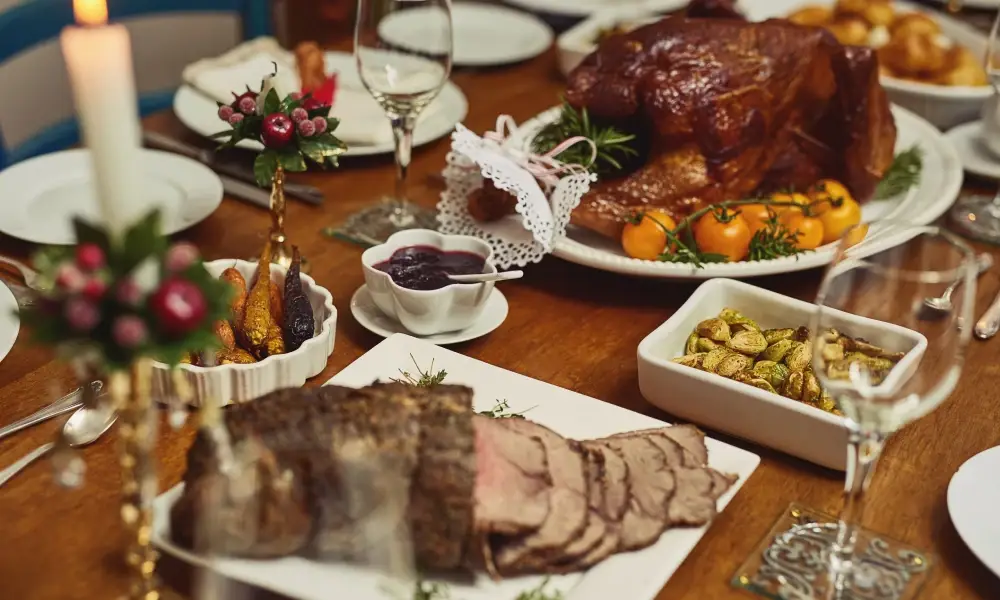
Nothing says winter comfort quite like a proper roast dinner, but pulling together a full menu that’s timed correctly and genuinely enjoyable to cook can feel like a lot to coordinate. With a bit of planning, though, it’s entirely manageable, even for a fairly casual home cook.
Here’s how to plan a complete roast dinner menu built around quality grass-fed meat this winter.
Step 1: Choose Your Main Roast
The centrepiece sets the tone for the entire meal, so start here.
- Grass-Fed Whole Porterhouse Roast: A reliable, flavourful choice that suits most family gatherings.
- Free-Range Pork Leg Roast: Perfect if crispy crackling is a non-negotiable for your table.
- Frenched Lamb Rack: A more elegant option for a smaller, special-occasion dinner.
Choose based on your guest count and how much of a centrepiece “moment” you want the roast to be.
Step 2: Plan Your Sides Around the Roast
A good roast dinner balances rich, hearty elements with something lighter to cut through the richness.
Classic Roast Vegetables
Potatoes, pumpkin, and carrots roasted in beef tallow or olive oil add crunch and warmth, and can largely be prepared ahead of the final cooking window.
A Green Element
A simple steamed green vegetable, like beans or broccolini, adds freshness and balances the richness of the main.
A Proper Gravy
Made from the roasting tray drippings, a rich gravy ties the whole plate together and is worth the extra ten minutes it takes to prepare properly.
Step 3: Build a Cooking Timeline
Timing is where most roast dinners go wrong: either the roast is ready too early and goes cold, or everything else is rushed at the last minute.
- Work backwards from your serving time, calculating your roast’s cooking and resting time first.
- Start vegetables roughly 40–50 minutes before serving, adjusting based on your oven’s capacity to cook multiple dishes at once.
- Prepare gravy while the roast rests, using that resting window productively rather than leaving it until the last minute.
- Steam greens last, just before serving, so they stay bright and don’t overcook while waiting.
Step 4: Don’t Forget the Resting Period
Whichever roast you choose, always factor in a genuine resting period, generally 15–20 minutes for a larger roast, before carving. This isn’t wasted time, it’s an essential step for a tender, juicy result.
Step 5: Plan for Leftovers
A roast dinner rarely gets fully finished in one sitting, and that’s a good thing. Planning a slightly larger roast means you’ll have leftovers ready for easy next-day meals.
- For beef leftovers, check out our guide on what to do with leftover roast beef.
- For pork, leftover crackling and meat work well shredded through fried rice or added to a hearty soup.
Sample Winter Roast Dinner Menu
- Main: Grass-Fed Whole Porterhouse Roast
- Sides: Roasted potatoes and pumpkin, steamed green beans
- Sauce: Traditional pan gravy
- Dessert: A warm, simple dessert like apple crumble, to round out the winter comfort theme
Why Grass-Fed Meat Elevates a Roast Dinner
The quality of your centrepiece roast has the biggest single impact on how the whole meal turns out. Our meat comes from grass-fed and finished, free-range animals raised on Western Australian farms, free from hormones and antibiotics, ensuring genuine flavour that holds up even in a simple, classic roast preparation.
For more detailed technique, our Porterhouse Roast Cooking Guide and Pork Leg Roast crackling guide cover exactly how to get consistent, reliable results.
Final Thoughts
A full roast dinner menu doesn’t need to be overwhelming when you break it down into clear steps: choosing your roast, planning complementary sides, building a realistic timeline, and allowing proper resting time. With a bit of planning, it becomes one of the most rewarding meals to cook all winter.
Browse our full range today and start planning your next winter roast dinner.