
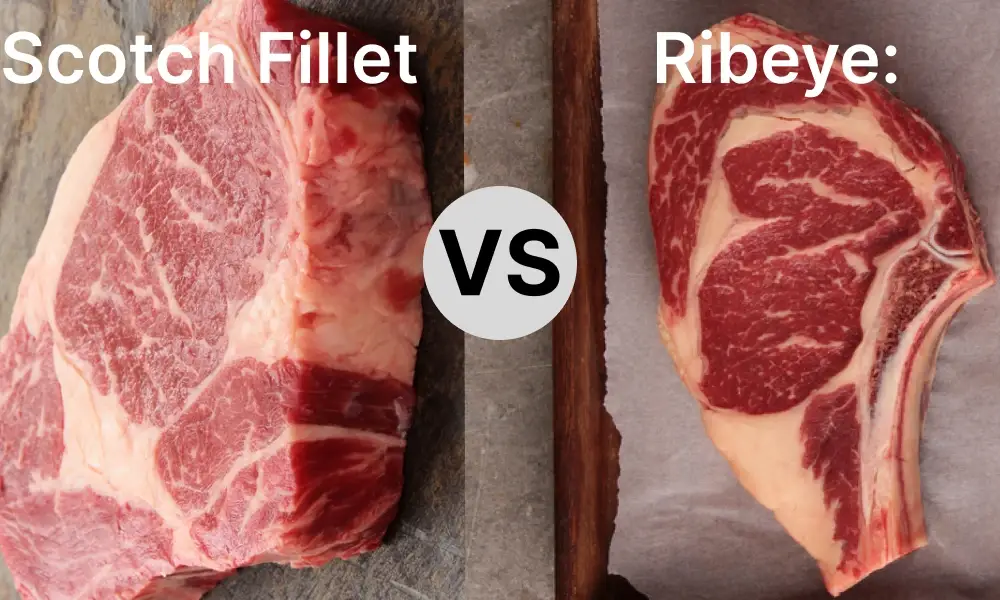
Few steak questions cause as much confusion as scotch fillet vs ribeye. Different butchers, menus, and regions seem to use the terms interchangeably, which naturally raises the question: are they actually the same cut, or is there a genuine difference?
Here’s the straightforward answer, along with how to get the best results whichever name is on the label.
Are Scotch Fillet and Ribeye the Same Cut?
In most cases, yes. Scotch fillet is the term commonly used in Australia and New Zealand for the same cut known as ribeye in the United States and many other countries. Both come from the rib section of the animal, prized for its rich marbling and tender, flavourful texture.
Why the Naming Confusion Exists
The difference largely comes down to regional butchery terminology rather than any meaningful difference in the meat itself. In Australia, “scotch fillet” typically refers to the boneless version of this cut, while “ribeye” is sometimes used specifically for the bone-in version, though usage varies between butchers.
What Makes This Cut So Popular?
- Rich marbling throughout the muscle, delivering exceptional flavour as the fat renders during cooking.
- Good balance of tenderness and texture, sitting between the buttery softness of fillet and the firmer bite of rump.
- Forgiving to cook, thanks to its fat content, which helps keep the meat moist even if slightly overcooked.
How to Cook Scotch Fillet / Ribeye for Best Results
- Bring to room temperature for 20–30 minutes before cooking, particularly important given its typical thickness.
- Season simply with salt and pepper, letting the natural marbling do most of the flavour work.
- Sear on high heat, 3–4 minutes per side for a 2–3cm steak, to build a deep, caramelised crust.
- Use a meat thermometer to check doneness rather than guessing by time alone.
Target internal temperatures:
- Rare: 50–52°C
- Medium-rare: 54–57°C
- Medium: 60–63°C
Bone-In vs Boneless: Does It Matter?
Bone-in versions, sometimes called a “cowboy cut” or “tomahawk” when the bone is left long, are often considered slightly more flavourful by some cooks, as the bone can add subtle depth during cooking. That said, the difference is relatively minor, and boneless versions remain easier to cook evenly and to carve.
Resting and Serving
Rest for 5–8 minutes after cooking, under loose foil, allowing the juices to redistribute evenly. Given its rich marbling, this cut is particularly forgiving during resting, staying juicy even a few minutes after coming off the heat.
What to Serve Alongside
- Simple roasted or grilled vegetables, letting the steak remain the clear centrepiece.
- A classic pepper or mushroom sauce, complementing rather than overpowering the natural marbling.
- Crispy roasted potatoes, ideally cooked in rendered beef tallow for extra flavour.
Why Grass-Fed Beef Makes the Difference
Whether you call it scotch fillet or ribeye, the quality of the beef behind the name matters most. Our beef comes from grass-fed and finished cattle raised on Western Australian pastures, free from hormones and antibiotics, delivering genuine, well-marbled flavour in every steak.
Browse our full Beef range to find your next steak, and if you’re curious how it compares to other popular cuts, our guide on T-bone vs porterhouse steak is worth a read too.
Final Thoughts
Scotch fillet and ribeye are, in almost all practical cases, the same cut known by two different regional names. Whichever term your butcher uses, you’re getting a rich, well-marbled steak that rewards simple seasoning and confident high-heat cooking.
Shop our Grass-Fed Beef range today and taste the difference quality marbling makes.