
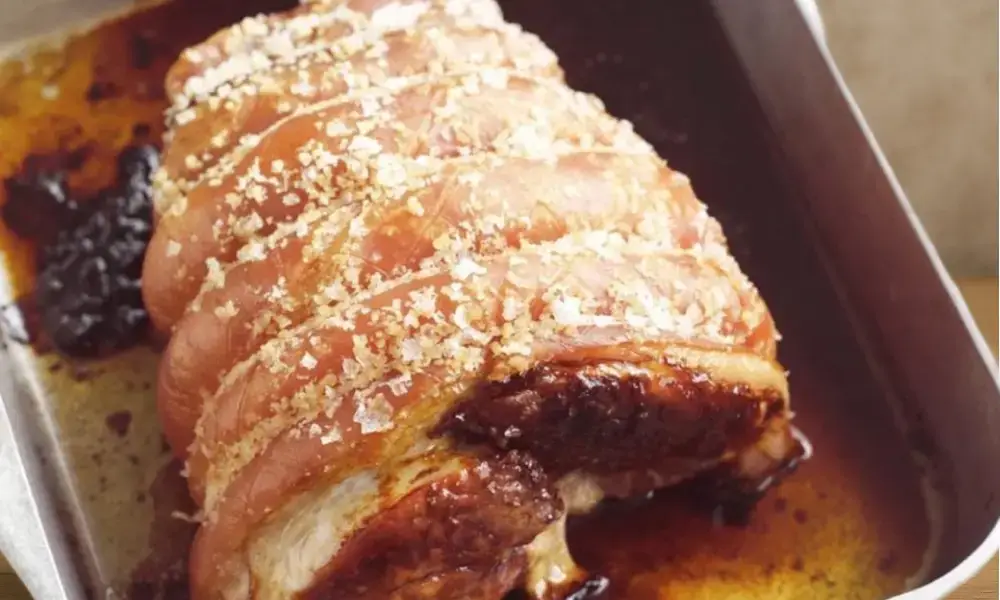
Few things disappoint a Sunday roast quite like soft, chewy crackling. Getting that perfect crunch on a pork leg roast comes down to a few specific techniques, and once you understand them, consistent results become surprisingly simple.
This guide breaks down exactly how to achieve reliably crispy crackling, using our Free-Range Pork Leg Roast as the example.
Why Crackling Fails: The Common Culprits
Before getting into technique, it helps to understand why crackling often goes wrong in the first place:
- Excess moisture on the skin before cooking.
- Insufficient scoring, preventing fat from rendering properly.
- Cooking temperature that’s too low throughout the process.
- Not enough salt applied to draw out moisture from the skin.
Addressing each of these directly is the key to consistent crackling.
Step 1: Score the Skin Properly
Using a sharp knife or clean box cutter, score the skin in a crosshatch or straight-line pattern, cutting through the skin and into the fat layer but not into the meat itself. This allows fat to render out through the cuts and helps the skin separate into individual crackling pieces.
Step 2: Dry the Skin Thoroughly
Moisture is crackling’s biggest enemy. For best results:
- Pat the skin dry with paper towel.
- Leave uncovered in the fridge overnight if possible, allowing the skin to air-dry further.
- Pat dry again just before cooking, removing any last moisture that’s accumulated.
Step 3: Salt Generously
Rub coarse salt generously into the scored skin, working it into the cuts. Salt draws out remaining moisture and helps create that signature crunchy texture as the roast cooks.
Step 4: Cook Using a Two-Temperature Method
High Heat First
Start the roast in an oven preheated to around 220–230°C for the first 20–30 minutes. This high initial heat is essential for kick-starting the crackling process.
Lower Heat to Finish
Reduce the oven to around 180°C for the remainder of the cooking time, allowing the meat to cook through evenly without burning the crackling.
Step 5: Check Internal Temperature
Pork leg roast should reach an internal temperature of at least 70–75°C in the thickest part before resting, in line with general food safety guidance for pork.
Step 6: Rest Before Carving
Rest the roast for 15–20 minutes under loose foil. If the crackling softens slightly during resting, a brief return to a very hot oven or grill for a few minutes just before serving can restore the crunch.
Troubleshooting: What to Do If Crackling Isn’t Crisping
- Increase oven temperature briefly near the end of cooking if the skin still looks soft.
- Use the grill function for the final few minutes, watching closely to avoid burning.
- Ensure the skin was completely dry before it went into the oven, as this is the most common cause of soft crackling.
What to Serve with Pork Leg Roast
- Roasted apples or apple sauce, a classic pairing that balances the richness of the pork.
- Roasted potatoes, cooked separately to maintain their own crispness.
- Steamed greens, adding freshness and colour to the plate.
- A simple pan gravy, made using the roasting tray drippings.
Why Free-Range Pork Makes a Difference
Free-range pork generally comes from pigs raised with more space to roam, which many customers find translates into better texture and flavour compared to intensively farmed alternatives. Our pork leg roast is sourced from Western Australian farms committed to free-range, ethical farming practices.
For more roasting options, it’s worth exploring our full Pork range.
Final Thoughts
Crispy crackling isn’t down to luck. It comes from proper scoring, thorough drying, generous salting, and the right two-stage cooking temperature. Follow these steps consistently and you’ll get reliably perfect crackling every time.
Order the Free-Range Pork Leg Roast today and master crispy crackling for your next Sunday roast.