
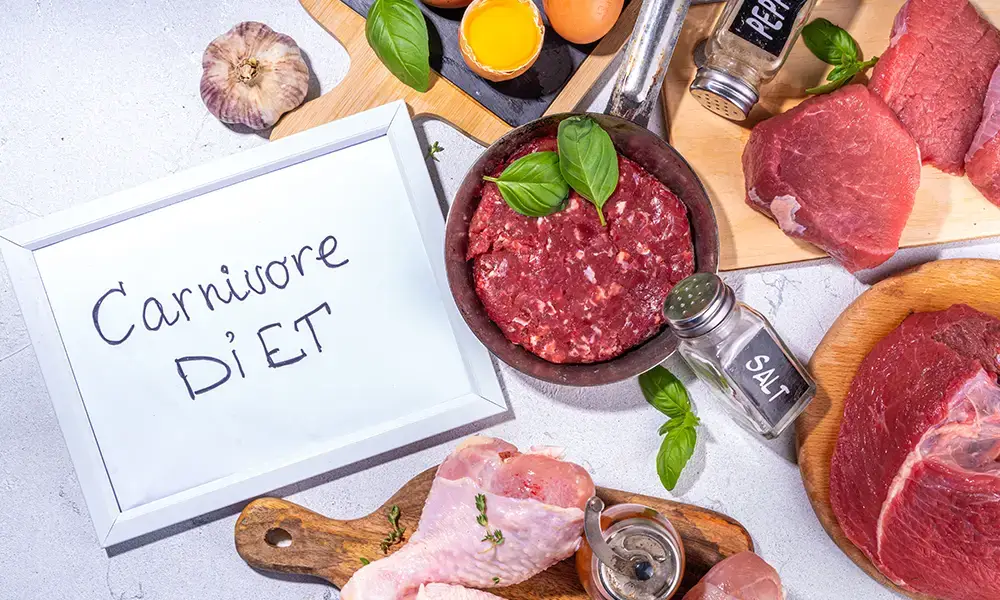
The carnivore diet is gaining serious traction — and for good reason. People report improvements in everything from energy levels and mental clarity to skin health and chronic inflammation. But when you’re starting out, staring at a butcher’s counter can feel overwhelming. What do you actually buy?
This guide cuts through the confusion. Here’s exactly what to buy first, how much to get, and how to set yourself up for success on a carnivore diet.
What Is the Carnivore Diet?
The carnivore diet is an elimination diet consisting exclusively — or primarily — of animal products. In its strictest form, you eat only meat, fish, eggs, and animal fats. No plants, no grains, no processed foods.
It’s often used as a therapeutic elimination protocol for people with autoimmune conditions, gut issues, or persistent inflammation. Dr. Shawn Baker, one of its most well-known proponents, has documented thousands of reported health improvements from people following the diet.
The core principle: animal foods contain every essential nutrient humans need, in forms the body absorbs more efficiently than plant sources.
Carnivore Diet What to Buy: The Starter List
1. Ruminant Meat First (Beef, Lamb, Bison)
Ruminant animals — particularly beef — are considered the cornerstone of the carnivore diet. They provide:
- Complete protein with all essential amino acids
- Saturated and monounsaturated fats for fuel
- Haem iron — the most bioavailable form of iron
- Zinc, B12, and creatine — nutrients largely absent from plant foods
Start with beef. It’s the most nutrient-dense, widely available, and forgiving meat to cook with. Aim for fattier cuts, especially at the beginning, to ensure adequate caloric intake.
2. Prioritise Fatty Cuts Over Lean
One of the most common beginner mistakes is eating too lean. On a carnivore diet, fat is your primary fuel source. Without adequate fat, you’ll feel fatigued, hungry, and may abandon the diet prematurely.
Best fatty cuts for beginners:
- Ribeye (excellent fat-to-protein ratio)
- Chuck roast
- Brisket
- 80/20 beef mince
- Lamb shoulder
Avoid starting with chicken breast or lean cuts exclusively — they won’t provide enough energy without carbohydrates.
3. Include Organ Meats (The Nutrient Powerhouses)
Organ meats — especially liver — are the most micronutrient-dense foods on earth. A 100g serving of beef liver provides more than the daily recommended intake of vitamin A, B12, riboflavin, and copper.
Even if you’re not a fan of the taste, start with a small portion of liver once or twice a week and work your way up. Many carnivore practitioners describe it as a dietary non-negotiable.
Start with:
- Beef liver (100–150g, 1–2 times per week)
- Beef heart (mild flavour, high in CoQ10)
- Bone broth (easy to make, excellent for gut healing)
4. Salt — Don’t Skip It
When cutting carbohydrates, your kidneys excrete more sodium. Without adequate salt, you’ll experience fatigue, headaches, and brain fog (sometimes called “carnivore flu”).
Use unrefined salt liberally — season every meal. Many carnivore practitioners recommend 2,000–4,000mg of sodium daily during the adaptation phase.
5. Eggs and Dairy (Optional)
Eggs are a carnivore-friendly, budget-friendly staple. They’re complete proteins with exceptional nutrient density — particularly choline, which supports brain function.
Hard cheese and butter are also commonly included, though some strict carnivore followers eliminate dairy during the initial adaptation period to identify any sensitivities.
How Much Meat Do You Need Per Day?
A common guideline: eat to satiety. Most people find they consume between 700g and 1.5kg of meat per day, particularly in the first few weeks when the body is adapting.
This sounds like a lot, but your hunger tends to regulate naturally once your body adapts to fat as its primary fuel source — typically within 2–4 weeks.
At roughly 1kg per day, you’ll go through approximately 7kg of meat per week. Planning and buying in bulk is essential for making the carnivore diet practical and affordable.
Sample Carnivore Week Shopping List
Here’s a practical first-week shopping list:
| Item | Quantity |
| Beef mince (80/20) | 2 kg |
| Ribeye or chuck steaks | 1.5 kg |
| Beef liver | 300–400 g |
| Lamb chops or shoulder | 1 kg |
| Eggs | 1 dozen |
| Butter | 250 g |
| Unrefined salt | 1 pack |
Why Grass-Fed Beef Matters on a Carnivore Diet
The quality of your meat directly impacts your results on a carnivore diet. Grass-fed beef contains:
- Higher omega-3 levels compared to grain-fed
- More CLA (conjugated linoleic acid) — linked to fat loss and anti-inflammation
- No synthetic hormones or antibiotics — critical when meat is the only food you’re consuming
- Better vitamin content, especially E and beta-carotene precursors
If you’re eating meat at this volume, the sourcing matters enormously. Cheap, grain-fed, hormone-treated meat is a very different product to pasture-raised, grass-finished beef.
The Easiest Way to Start: The Lion Pack
Don’t want to piece together your starter order cut by cut? Our The Lion Pack – Ultimate Carnivore Pack is curated specifically for people starting (or committed to) the carnivore diet.
It includes a selection of premium grass-fed, hormone-free beef and lamb cuts — the exact variety you need to get started without the guesswork. Sourced from WA farms, it’s the highest quality foundation for your carnivore journey.
Conclusion
Starting a carnivore diet doesn’t have to be complicated. Focus on fatty ruminant meat, add liver once or twice a week, salt everything, and don’t go too lean too soon. Buy in bulk to keep costs manageable and source grass-fed where possible — especially when meat is every meal.
The first two to four weeks are the adaptation phase. Once you’re through it, most people report stable energy, reduced hunger, and a much simpler relationship with food.
👉 Start with The Lion Pack from Gingin Grass Fed — everything you need for your first carnivore weeks, delivered fresh to your door across Perth.