
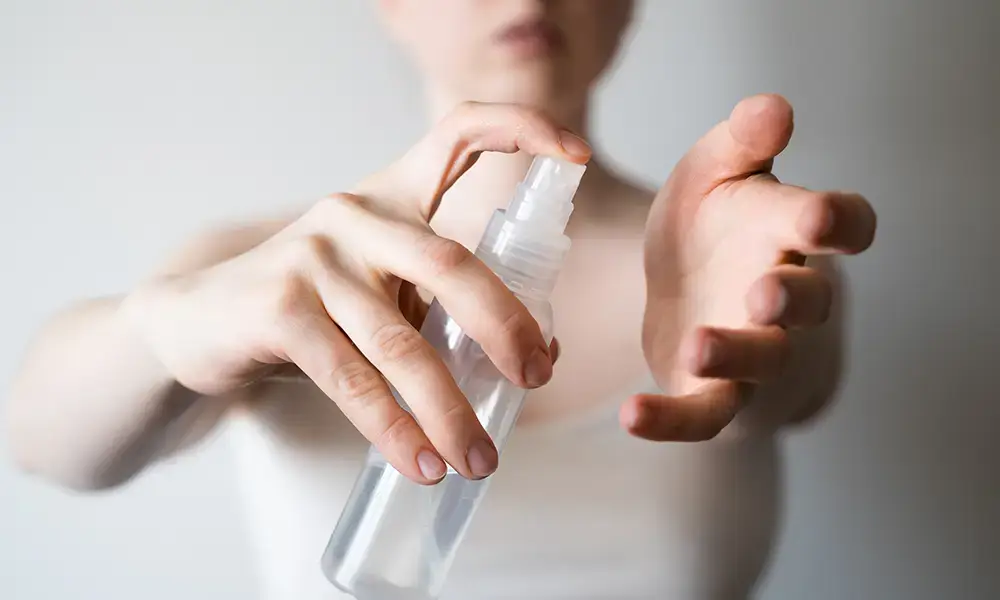
Quick answer: If you train hard, travel a lot for sport, or just wake up with tight calves and a stiff lower back, you’ve probably heard someone swear by magnesium spray. But does rubbing a mineral oil onto your skin actually do anything for sore muscles, or is it just wellness theatre? Here’s what the research says, and how to use it properly.
Why Magnesium Matters for Your Muscles
Magnesium is involved in over 300 enzymatic reactions in the human body, including the ones that let your muscles contract and relax properly. It plays a direct role in nerve signalling, energy production, and electrolyte balance during exercise.
When magnesium levels run low, muscles can struggle to relax fully after contracting. That’s part of why low magnesium is so often linked to cramping, twitching, and that “my legs feel like rocks” feeling after a long run or a heavy leg day.
The catch is that most adults don’t get enough magnesium from food alone. Modern soil depletion, processed diets, and high stress all increase how much magnesium your body burns through, which is exactly why topical options like magnesium spray have become so popular with athletes and everyday gym-goers in Perth and beyond.
Magnesium Spray Benefits: What the Research Actually Shows
This is the part most blogs skip. So let’s look at the actual evidence, not just the marketing claims.
1. Topical Magnesium Can Penetrate the Skin
Research from Cardiff University found that magnesium applied to the skin began absorbing almost immediately, and that gently massaging the area afterwards sped up the process. A separate study highlighted that hair follicles play a significant role in helping magnesium ions move through the skin barrier.
2. A Mayo Clinic Study on Fibromyalgia Patients
In a Mayo Clinic-affiliated study, 40 women with fibromyalgia sprayed magnesium oil onto their arms and legs twice daily for four weeks. Among the 24 participants who completed the trial, symptom scores improved significantly across the board, including pain and stiffness measures.
3. The Science Is Still Developing
In fairness, not every researcher agrees on how much magnesium actually makes it into the bloodstream this way. A review published via the National Institutes of Health notes that hair follicles and sweat glands only make up a small fraction of total skin surface, so the absorbed quantity may be modest compared to oral supplementation.
The honest takeaway: topical magnesium does appear to reach the skin and underlying tissue, and many users genuinely report less muscle tightness and better sleep. Whether that’s purely systemic magnesium uptake or partly the benefit of massaging the area is still being studied. Either way, the practical results for recovery are real for a lot of people.
How to Use Magnesium Spray for Muscle Recovery
Getting the technique right makes a noticeable difference to how effective it feels.
- Shower first. Magnesium absorbs best on clean, slightly warm skin with open pores.
- Spray directly onto the muscle. Calves, quads, hamstrings, lower back, and shoulders are the usual trouble spots.
- Massage it in. Spend 20 to 30 seconds working it into the skin rather than just spraying and walking off.
- Let it sit. Leave it on the skin for around 20 minutes before rinsing, if you choose to rinse at all.
- Use it post-workout or before bed. Many people find evening application helps with both muscle recovery and sleep quality.
Who Benefits Most From Magnesium Spray?
Topical magnesium tends to suit a few groups in particular:
- Strength and endurance athletes managing regular muscle soreness
- People who get nighttime leg cramps or restless legs
- Anyone with a sensitive stomach who can’t tolerate oral magnesium supplements
- Shift workers and high-stress professionals dealing with tense shoulders and necks
A Cleaner Source Matters
Not all magnesium sprays are created equal. Our Ancient Lakes Magnesium Topical Spray is sourced from Lake Deborah in Western Australia and is solar evaporated, sustainably harvested, and completely free from additives. It comes in a 125ml bottle and pairs naturally with an after-shower routine or as a substitute for massage oil.
If you’re already focused on recovery, it’s worth pairing this with a nutrient-dense, grass-fed diet, since whole-food minerals and quality protein give your muscles the building blocks they need alongside topical support.
Final Thoughts
Magnesium spray isn’t a miracle cure, but the research, combined with consistent real-world feedback, suggests it genuinely supports muscle recovery, relaxation, and sleep for a lot of people. Like most wellness habits, the benefit shows up with consistent use, not a single application.
Ready to give your muscles a proper recovery routine? Shop the Ancient Lakes Magnesium Topical Spray now and feel the difference after your next workout. Spend over $150 on any subscription order and you’ll automatically unlock 5% off, with free Perth metro delivery included.
Frequently Asked Questions
Is magnesium spray better than magnesium tablets?
Not necessarily better, just different. Tablets raise overall intake, while spray is applied directly to the area that’s sore and skips the digestive system entirely, which suits people with a sensitive gut.
How often should I use magnesium spray?
Most people use it once or twice a day, particularly after exercise or before bed. There’s no need to overdo it; a light, even coat on the targeted muscle is enough.
Will magnesium spray sting?
A mild tingling sensation is common, especially the first few uses or on broken skin. This usually settles as your skin adjusts.