
Still reaching for seed oils every time you fire up the pan?
If you are cooking at high heat this summer, you might be using the wrong fat. Many common oils break down under high temperatures, leaving you with smoke, bitterness and questionable health effects.
So what is beef tallow, and why are more home cooks turning back to it? Better yet, how to render beef tallow yourself so you know exactly what is going into your food?
If you care about flavour, nutrition and proper high-heat performance, it is time to understand grass-fed beef tallow and the real tallow benefits it offers.
What Is Beef Tallow?
Let’s start simple. What is beef tallow?
Beef tallow is rendered beef fat, traditionally taken from suet, which is the hard fat surrounding the kidneys and loins. When slowly melted and purified, it becomes a clean, stable cooking fat that solidifies at room temperature.
Before modern vegetable oils dominated supermarket shelves, beef tallow for cooking was a kitchen staple. It was used for frying, roasting, baking, and even preserving food.
Today, grass-fed beef tallow is making a comeback because people are rethinking what healthy fats really mean.
Why Grass Fed Beef Tallow Is Better
Not all tallow is equal. Grass-fed beef tallow contains a more favourable fatty acid profile compared to grain-fed sources.
When you source fat from cattle raised on pasture, you often get:
- Higher levels of omega-3 fatty acids
- Better nutrient density
- Cleaner flavour
- No artificial additives
If you are going to learn how to render beef tallow, start with quality grass-fed beef fat from trusted producers like Gingin Grass Fed.
Tallow Benefits for Summer Cooking
So what are the real tallow benefits?
High Smoke Point
One of the biggest tallow benefits is its high smoke point, around 200 degrees Celsius. That makes beef tallow for cooking ideal for:
- Searing steaks
- Frying chips
- Cooking burgers
- Roasting vegetables
Unlike many seed oils, grass-fed beef tallow remains stable at high heat.
Rich, Savoury Flavour
Beef tallow for cooking adds depth to food. It enhances natural flavours without overpowering them.
Nutrient-Dense Fat
Another of the key tallow benefits is that it contains fat-soluble vitamins such as A, D, E and K when sourced from quality pasture-raised animals.
Minimal Processing
When you render it yourself, you control the process. No industrial refining. No hidden chemicals.
How to Render Beef Tallow at Home
Now to the practical part. How to render beef tallow properly.
Step 1: Source Quality Fat
Ask your butcher for beef suet or trimmed fat. Ideally, choose grass-fed beef tallow sources from reputable farms like Gingin Grass Fed.
Step 2: Chop or Grind the Fat
Cut the fat into small pieces. The smaller the pieces, the more evenly it renders.
Step 3: Slow and Low Heat
Place the fat in a heavy pot or slow cooker. Keep the heat very low. You do not want it to brown.
This step is crucial when learning how to render beef tallow. Patience prevents burning.
Step 4: Strain the Liquid
Once fully melted, strain through cheesecloth into a clean glass jar.
Step 5: Cool and Store
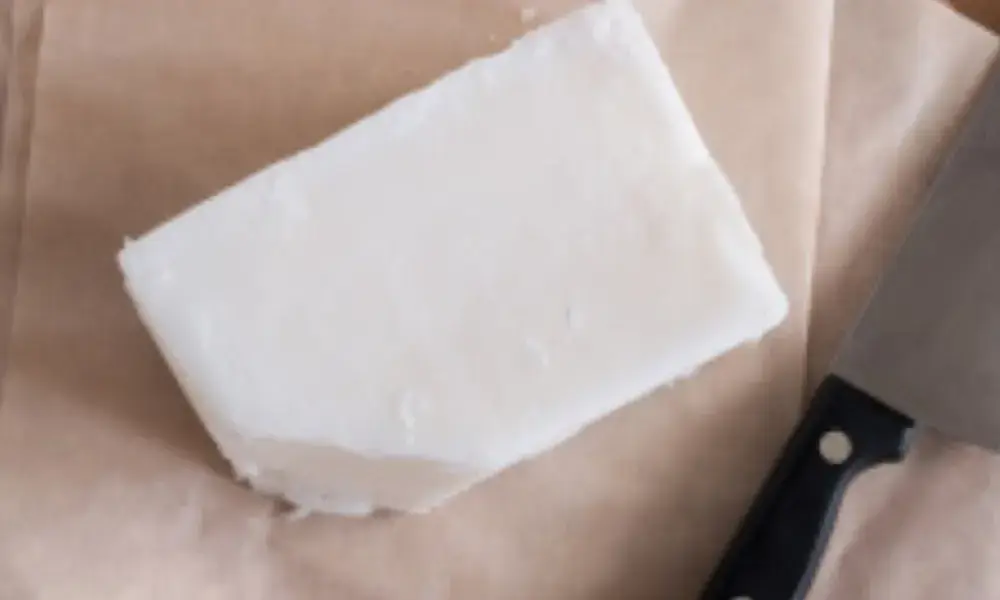
Allow it to cool at room temperature. It will solidify into a creamy white fat.
Stored in an airtight container, grass-fed beef tallow can last for months in the fridge.
That is how to render beef tallow in its simplest form.
How to Use Beef Tallow for Cooking
Now that you know what beef tallow is and how to render beef tallow, how do you use it?
Beef tallow for cooking is incredibly versatile.
- Fry eggs for a richer flavour.
- Roast potatoes until golden and crispy
- Sear steaks with a proper crust
- Cook stir-fries at high heat
- Add to savoury pastries
During summer, beef tallow for cooking shines on the BBQ. It helps achieve beautiful caramelisation without burning.
Is Beef Tallow Healthy?
This is where opinions vary, but many people are rediscovering traditional fats.
Tallow benefits include stability at high heat and minimal processing. When compared to highly refined vegetable oils, grass-fed beef tallow offers a more natural option.
Like any fat, moderation matters. But used appropriately, beef tallow for cooking can absolutely fit into a balanced diet.
Why Choose Gingin Grass Fed
If you are serious about learning how to render beef tallow properly, sourcing quality fat is everything.
Gingin Grass Fed offers premium pasture-raised beef, giving you access to clean, nutrient-rich fat ideal for making grass-fed beef tallow at home.
When you understand what beef tallow and the real tallow benefits are, starting with quality makes all the difference.
Final Thoughts
So this summer, before you reach for another bottle of processed oil, ask yourself if there is a better way. Once you learn how to render beef tallow, you gain control over your cooking fat and unlock serious flavour.
From crispy roast vegetables to perfectly seared steaks, grass-fed beef tallow transforms high-heat cooking.
Ready to try it yourself? Source premium-quality beef for your kitchen. Start rendering your own beef tallow for cooking and experience the difference.
FAQs
What is beef tallow made from?
Beef tallow is made by slowly rendering beef fat, typically suet, until it melts and can be strained into a clean cooking fat.
How long does homemade beef tallow last?
When stored in an airtight container in the fridge, grass-fed beef tallow can last several months.
Is beef tallow good for frying?
Yes, beef tallow for cooking is excellent for frying due to its high smoke point and stability.
Does grass-fed beef tallow taste beefy?
It has a mild savoury flavour that enhances food without overpowering it.